How it works
Electric Central Heating Systems
A complete electric heating system for the whole house — designed as one system rather than a collection of individual heaters.
Certified & registered
- MCS Certified
- NAPIT Approved
- RECC Registered
- Approved Sunamp Installer
A system, not a set of heaters
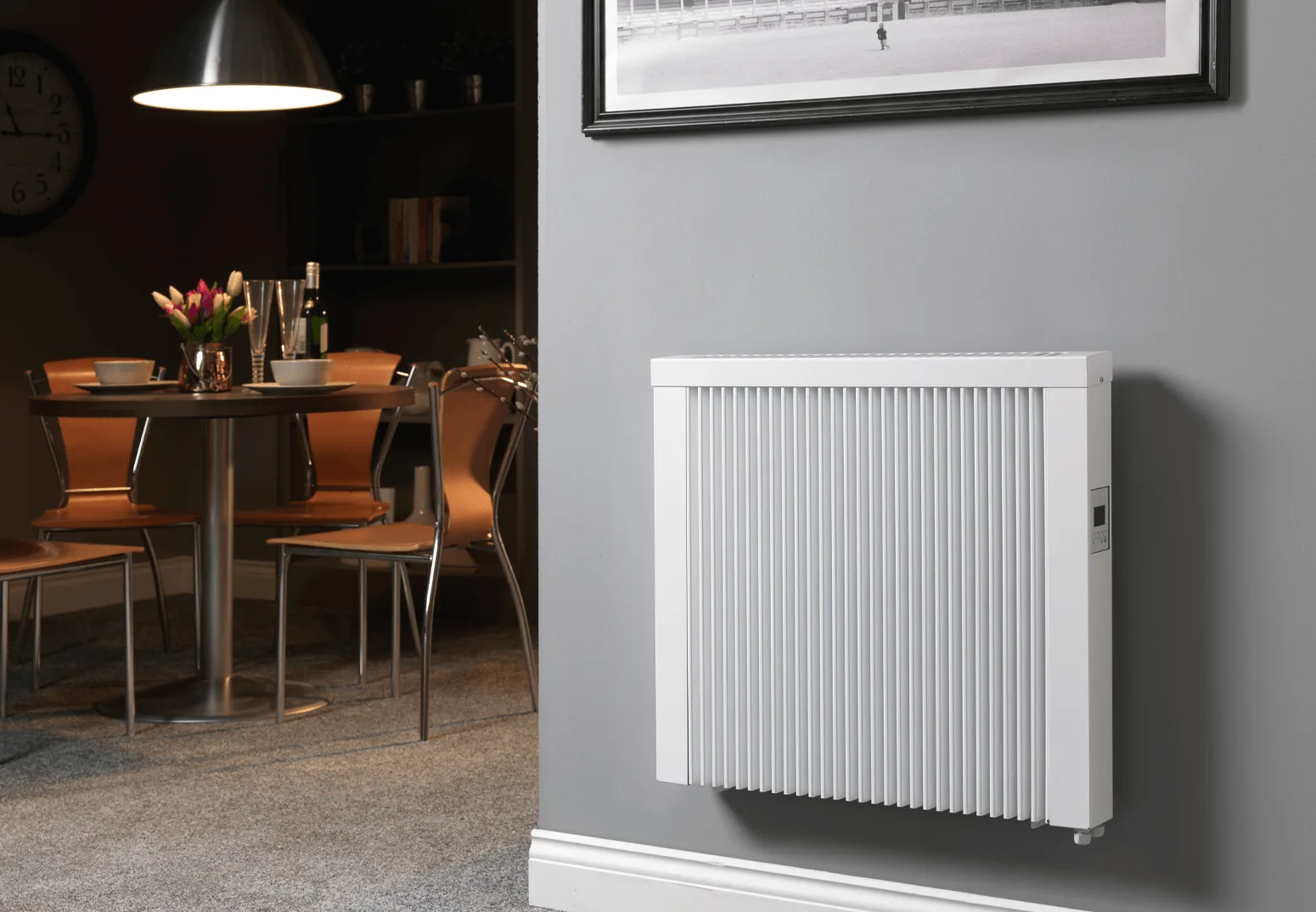
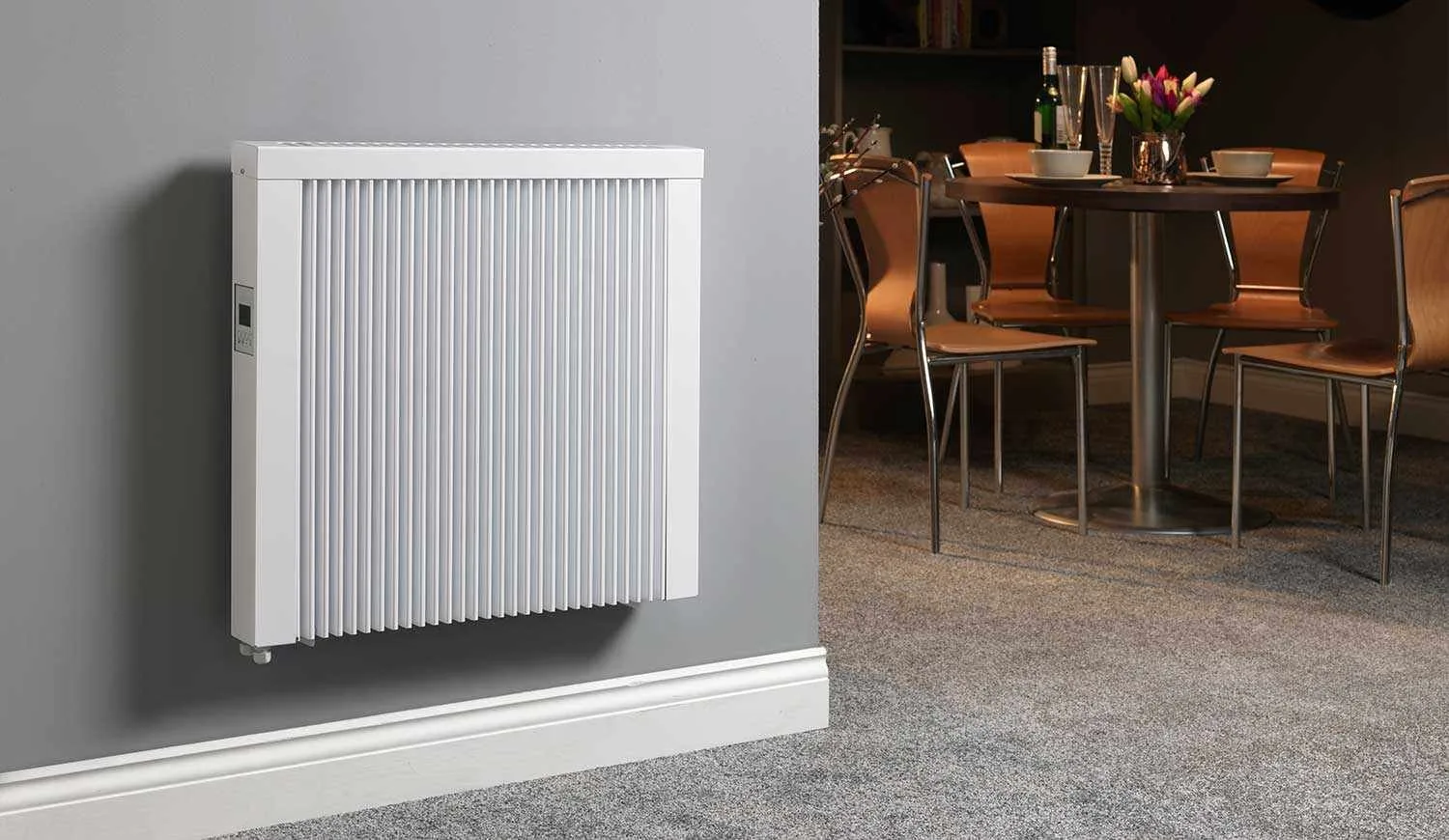
Electric central heating means every room heated to its own schedule and its own target temperature, managed from one app or controller. There is no boiler, no pipework and no water in the system — which also means no leaks, no pressure loss, no bleeding radiators and nothing to drain down.
Designed around the building
Output is calculated per room from the dimensions, the glazing, the insulation and which walls face outside. A north-facing room with a large window needs more than a small internal box room, and sizing both the same is how people end up with one room too hot and another never warm enough.
Installed without ripping the house apart
Because there is no pipework to run, installation is far less invasive than a wet system. In most homes the work is measured in days rather than weeks, and there is no chasing walls to route pipe.
One system, independent sources
Traditional central heating is one heat source — the boiler — pushing warmth around the whole house at once. Electric central heating keeps the idea of one coordinated system but gives every room its own independent source, each with its own thermostat. The result is the same whole-house coverage with something a boiler cannot offer: rooms that genuinely run themselves.
Suitability
Where it suits — and where it doesn't
Homes with no mains gas
For properties off the gas grid, electric central heating avoids both the cost of a gas connection and the tanks and deliveries of oil or LPG.
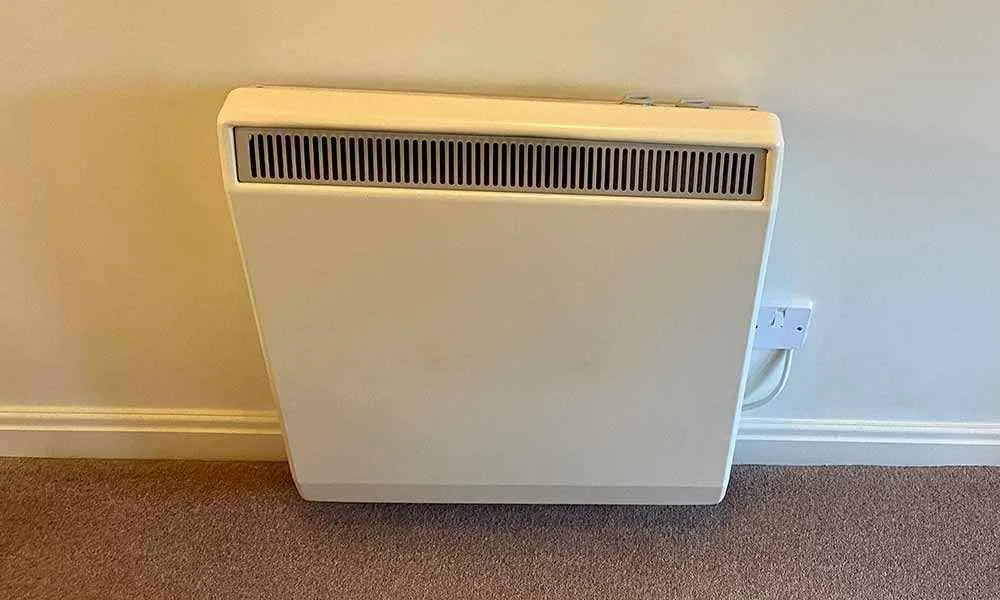
Storage heater properties
A house already heated electrically converts simply — it is unlikely the wiring needs upgrading, and the new radiators use the same supply far better.
Flats and rented property
No flue, no gas connection and no annual gas safety inspection makes all-electric particularly straightforward for flats and landlords.
Where insulation is poor
A leaky building makes any heating expensive, and electricity’s higher unit price makes it feel that first. If insulation should come before heating, we will say so at survey.
The scope
What's included
- Designed room by room, not sized by guesswork
- One control system for the whole house
- No pipework, no water, no leaks
- Zone individual rooms independently
How the job runs
-
Free home survey
We visit, measure each room and look at how you actually live in the house. Heat output is sized per room — a guess made over the phone is how people end up cold in the room they use most.
-
A written recommendation
You get a clear proposal setting out what we would install, why that specification, and what it costs. No pressure and no obligation to go ahead.
-
Removal and disposal
Removal and disposal of old storage heaters, convector heaters, boilers and cylinders is part of the job, and we make good afterwards.
-
Installation and handover
We install, test and then show you how to run it. Getting the controls right is most of the saving, so we do not leave until you know how to use them.
Covering Christchurch & the South
We provide electric central heating throughout Bournemouth, Poole, Christchurch, Weymouth, Dorchester, Salisbury, Dorset, Hampshire, Wiltshire, Somerset, Devon and the surrounding area — planned at a free home survey, with a written recommendation and no obligation.
Prefer to talk it through? Call 01202 985047.
Where we do this work