What we install

Conservatory Heating

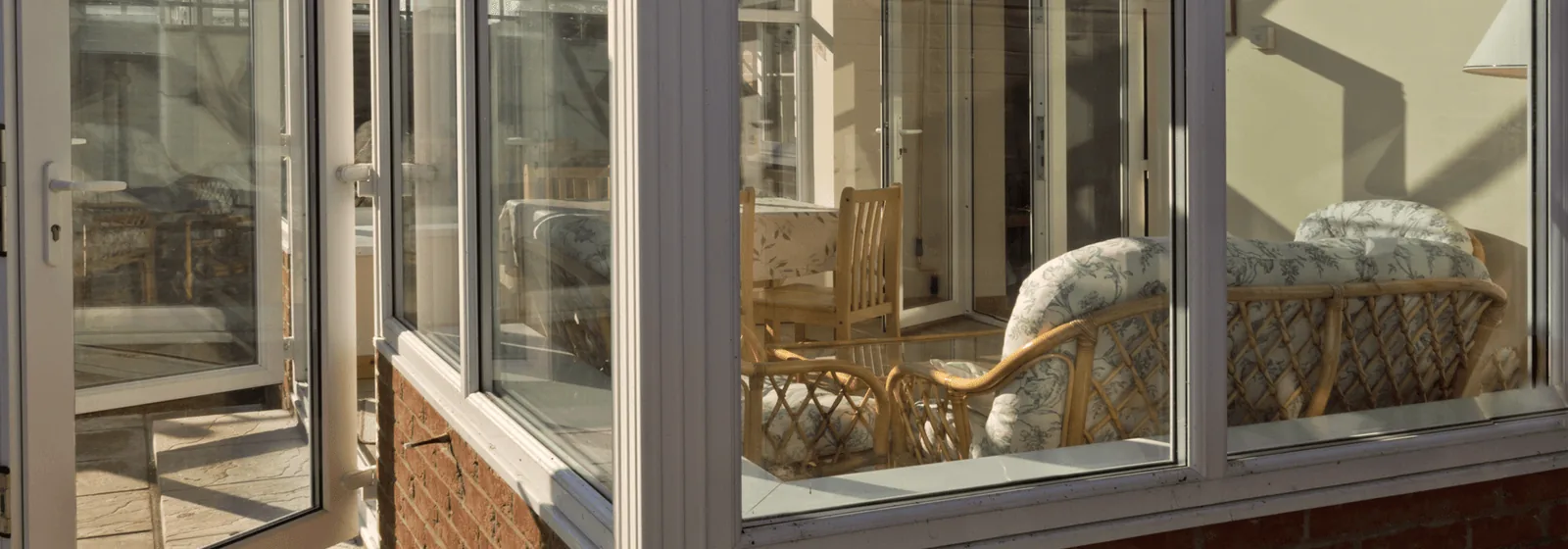
A conservatory loses heat faster than any other room in the house, so it needs sizing on its own terms.
Certified & registered

  • MCS Certified
  • NAPIT Approved
  • RECC Registered
  • Approved Sunamp Installer

Why conservatories are difficult

Glass loses heat far faster than an insulated wall, and a conservatory is mostly glass with a large roof area. Sizing it like an ordinary room of the same floor area leaves it cold in January. It needs calculating on its own terms.

  • Sized for a mostly-glazed room
  • Controlled separately from the house
  • Frost protection when not in use
  • Low-level and vertical options

The specification

What you're actually buying

Height
340mm — a low-level design made for dwarf walls.
Lengths
From 680mm to 1580mm.
Retention
Magmatic heat retention stones.
Control
Separate from the house, with frost protection.
Warranty
15 years on the radiators.

The range

Fitted, not photographed in a studio

Every photograph here is our own work, installed by our own team.
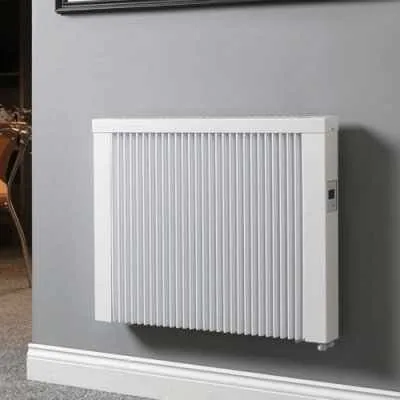
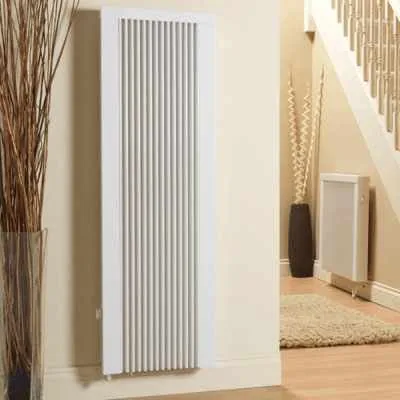
White electric radiator with a ribbed front on a grey wall
Slimline electric radiator, living room
Tall vertical electric radiator in a hallway beside the stairs
Vertical radiator beside the stairs
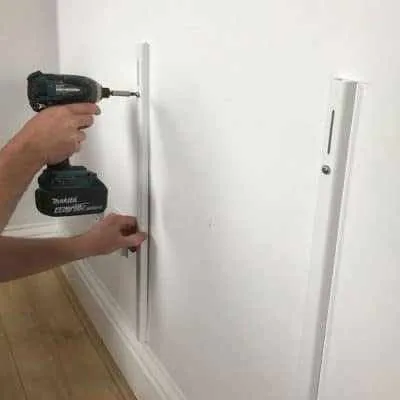
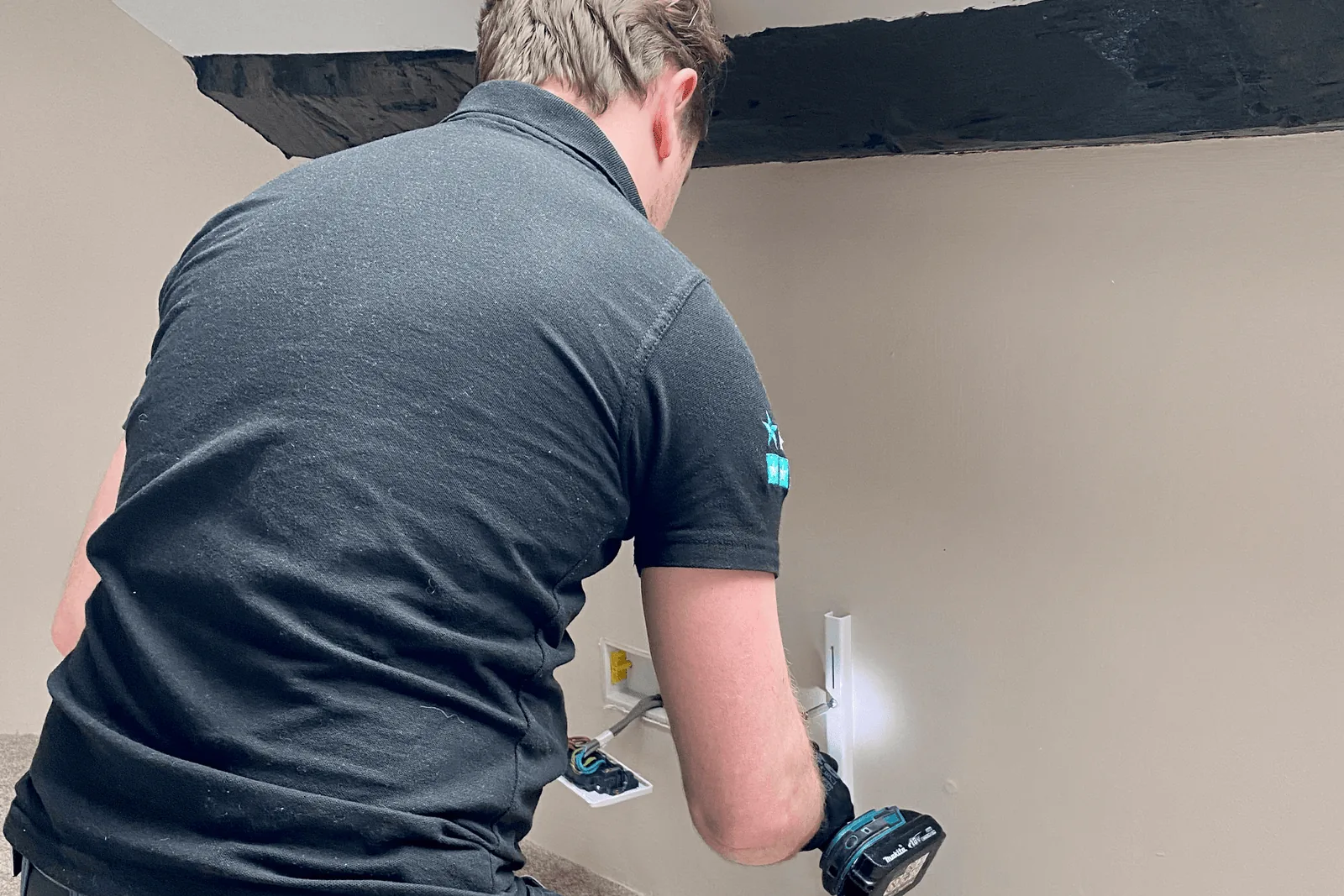
Installer drilling a wall bracket during a radiator fitting
Fitting the wall brackets

Heat it only when you use it

Most conservatories are used for part of the day, part of the year. Controlling it separately from the rest of the house — with frost protection when it is not in use — keeps it usable without heating an empty glass room all winter.

A radiator built for low walls

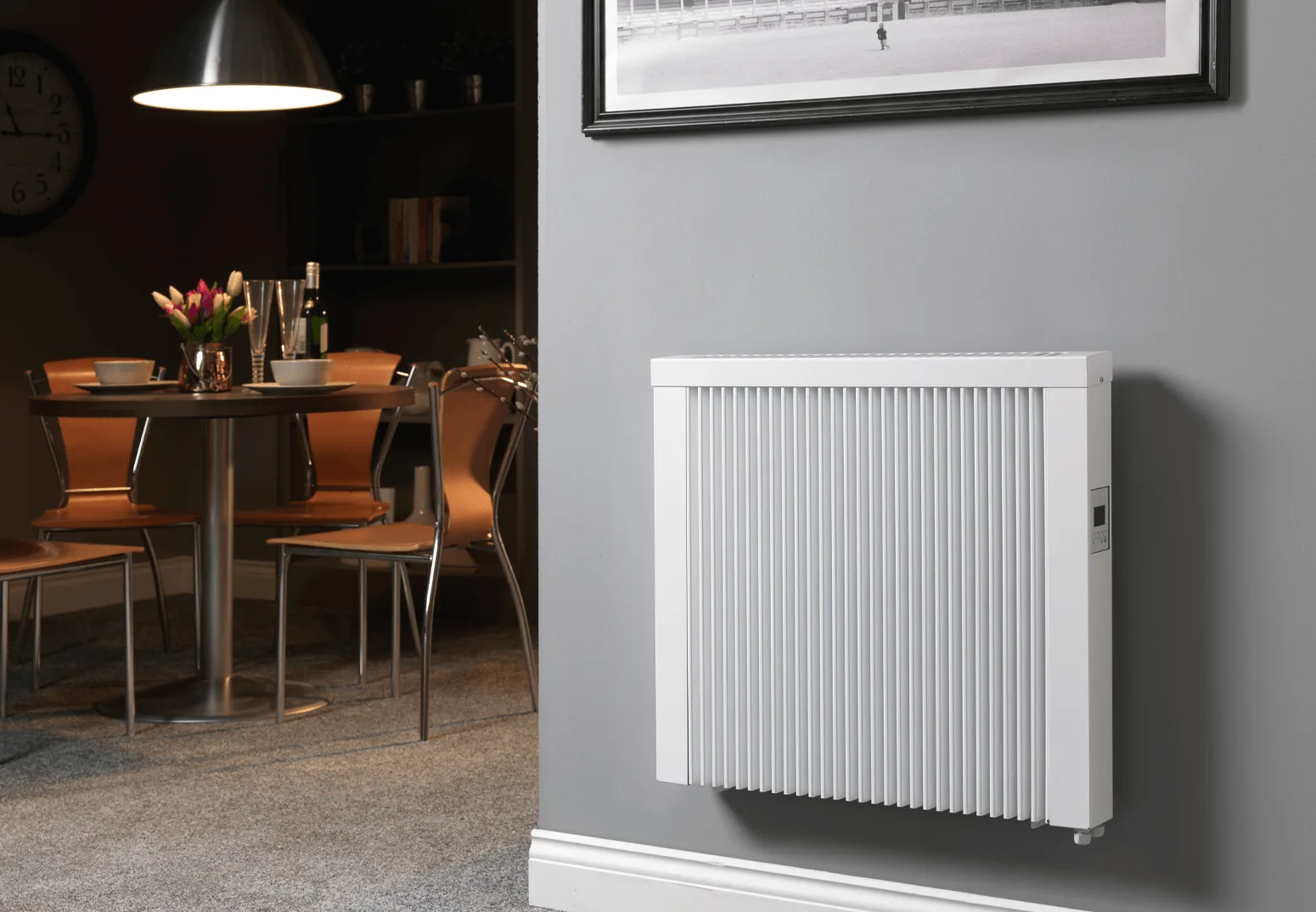
Conservatory walls are mostly dwarf walls under glass, so the range includes a low-level radiator just 340mm high, designed for exactly that space. Lengths run from 680mm to 1580mm, so the output can be matched to the room without the unit climbing into the glazing.

The cost-effective route to a year-round room

Compared with the structural alternatives — temperature-controlled replacement roofs and the like — a properly sized electric radiator is a far less expensive way to make a conservatory usable in winter. And because it is controlled separately, it only costs anything when the room is actually in use.

See the range for yourself

Supplied and installed across Bournemouth, Poole, Christchurch, Weymouth, Dorchester, Salisbury, Dorset, Hampshire, Wiltshire, Somerset, Devon — sized to each room at a free home survey, with a written recommendation and no obligation.

Request our free brochure The full range, posted to you free

Book your free home survey

Free survey, honest advice and a clear written quote. Call now or send us a message — we’ll get straight back to you.

Questions

Frequently asked questions

What size are the low-level conservatory radiators?
All the low-level units are 340mm high, with lengths from 680mm to 1580mm — so the right output fits under the glazing line whatever the wall run.
Is adding conservatory heating disruptive?
No — the process is straightforward and you are guided through it by your appointed representative. Our engineers use full floor protection and leave the work area clean and tidy, and we can even help with tariff switching so the new heating runs on the right rate.
What can I replace my night storage heaters with?
Usually either modern electric radiators controlled room by room, or high heat retention storage heaters where your tariff still rewards off-peak charging. Which suits you depends on the tariff, the building and how you use the house — that is what the free survey establishes.
Which electric radiator is the most efficient?
Honestly, they are all essentially 100% efficient at the point of use — every unit of electricity becomes heat in the room. What varies between systems is control: whether you can heat only the rooms you are using, only when you are using them. That is where the saving comes from, not from any particular radiator.
Can I replace my gas boiler with electric heating?
Yes. We replace gas boilers and their radiator circuits with electric heating and hot water, which removes the flue, the gas connection and the annual gas safety inspection. Electricity costs more per unit than gas, so at survey we will be straight with you about running costs and about whether solar or battery storage changes the picture.
Do you remove and dispose of the old system?
Yes. Removal and disposal of old storage heaters, convector heaters, boilers and cylinders is part of the job, and we make good afterwards.
What areas do you cover?
We are based in Bournemouth and work across Dorset, Hampshire, Wiltshire, Somerset and Devon, and into West Sussex, Surrey, London, Kent, East Sussex and Oxfordshire.
Are you certified?
Yes. Dynamic Heaters is MCS certified, NAPIT approved, RECC registered and an approved Sunamp installer.
Do you charge for a survey?
No. The home survey and the written recommendation that follows it are free and carry no obligation.
Do you work on social housing and commercial projects?
Yes. Alongside private homes we have completed social housing heating and hot water upgrades, including a New Forest District Council project covering sixteen properties, and community buildings such as a village hall in Lytchett Matravers.

Still deciding? The survey is free, and so is walking away afterwards.