What we install

German Electric Radiators

German-engineered heating, built to a standard that shows in the controls and the finish rather than the brochure.
Certified & registered

  • MCS Certified
  • NAPIT Approved
  • RECC Registered
  • Approved Sunamp Installer

High heat retention stones

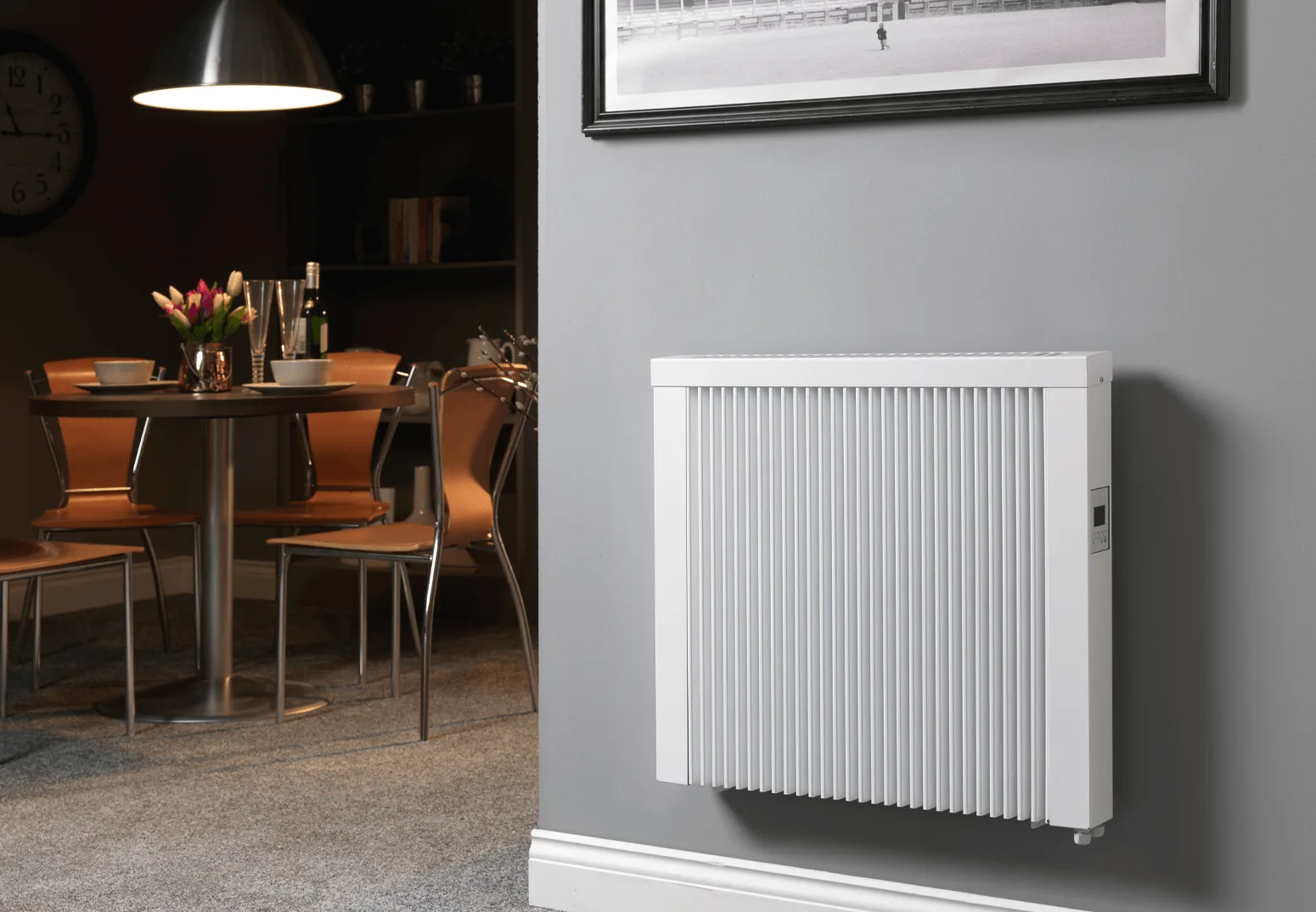
Fitted inside our German electric radiators are Magmatic heat retention stones — exclusive, patented technology. The stones keep emitting heat for up to an hour after the radiator switches off, and because they run vertically down both sides of the radiator they spread warmth across the whole surface with no hot spots. Retaining heat this way slows the rate the room cools, which is where the running-cost benefit comes from.

  • German engineering and build quality
  • Precise thermostatic control
  • Slim wall-mounted profile
  • Supplied and installed by us
Dynamic Heaters — Quality German Electric Radiators

The specification

What you're actually buying

Origin
Manufactured in Germany.
Heat delivery
50% natural convection, 50% radiant heat.
Heat retention
Magmatic stones — rated at 45+ minutes of heat from 12–15 minutes of electricity.
Warm-up
Up to working temperature in around 10 minutes.
Controls
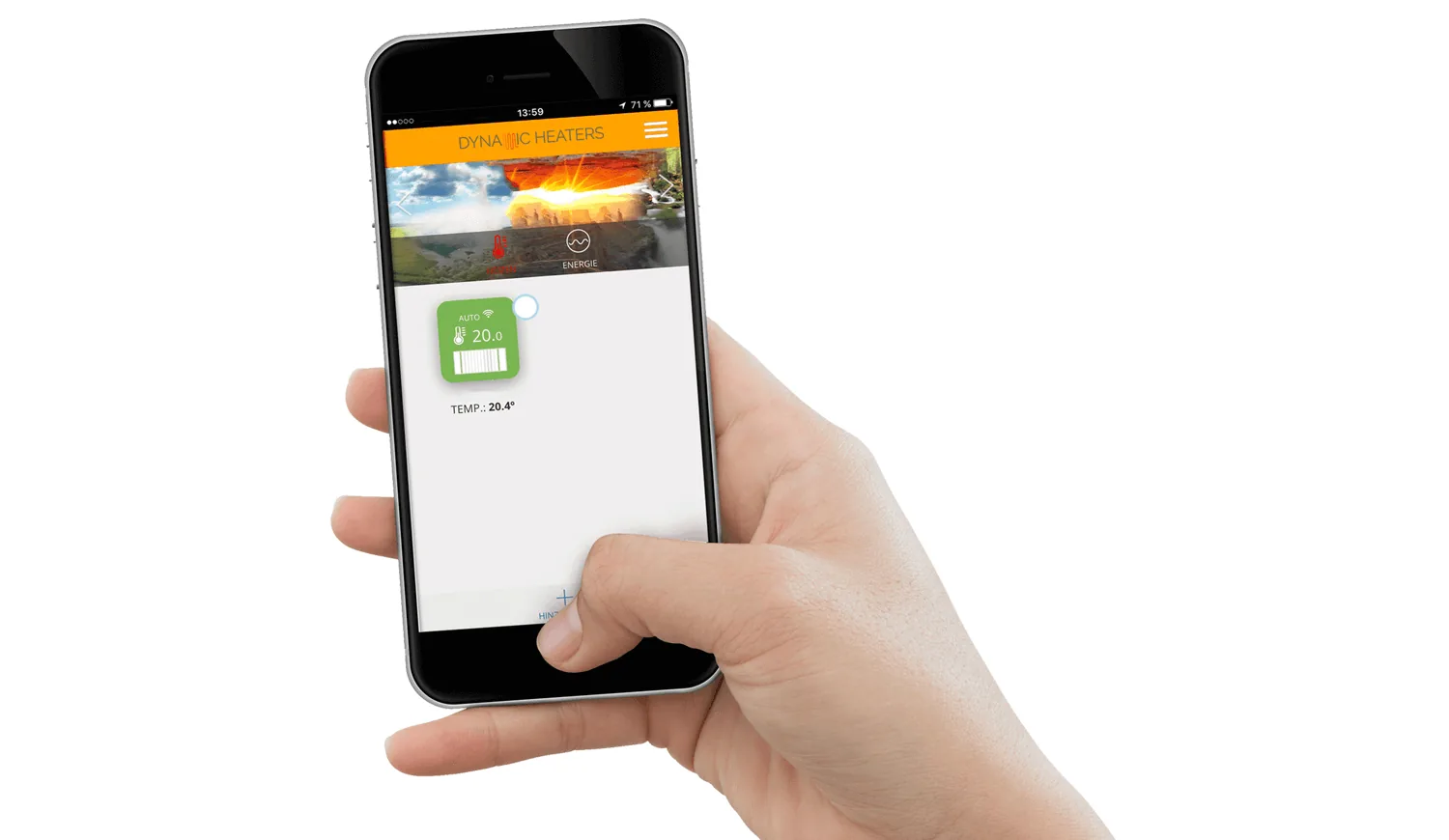
Lot 20 compliant 24-hour programmable thermostats; WiFi app control.
Formats
Standard, vertical and low-level ranges, in a choice of colours.
Warranty
15 years on the radiators.

The range

Fitted, not photographed in a studio

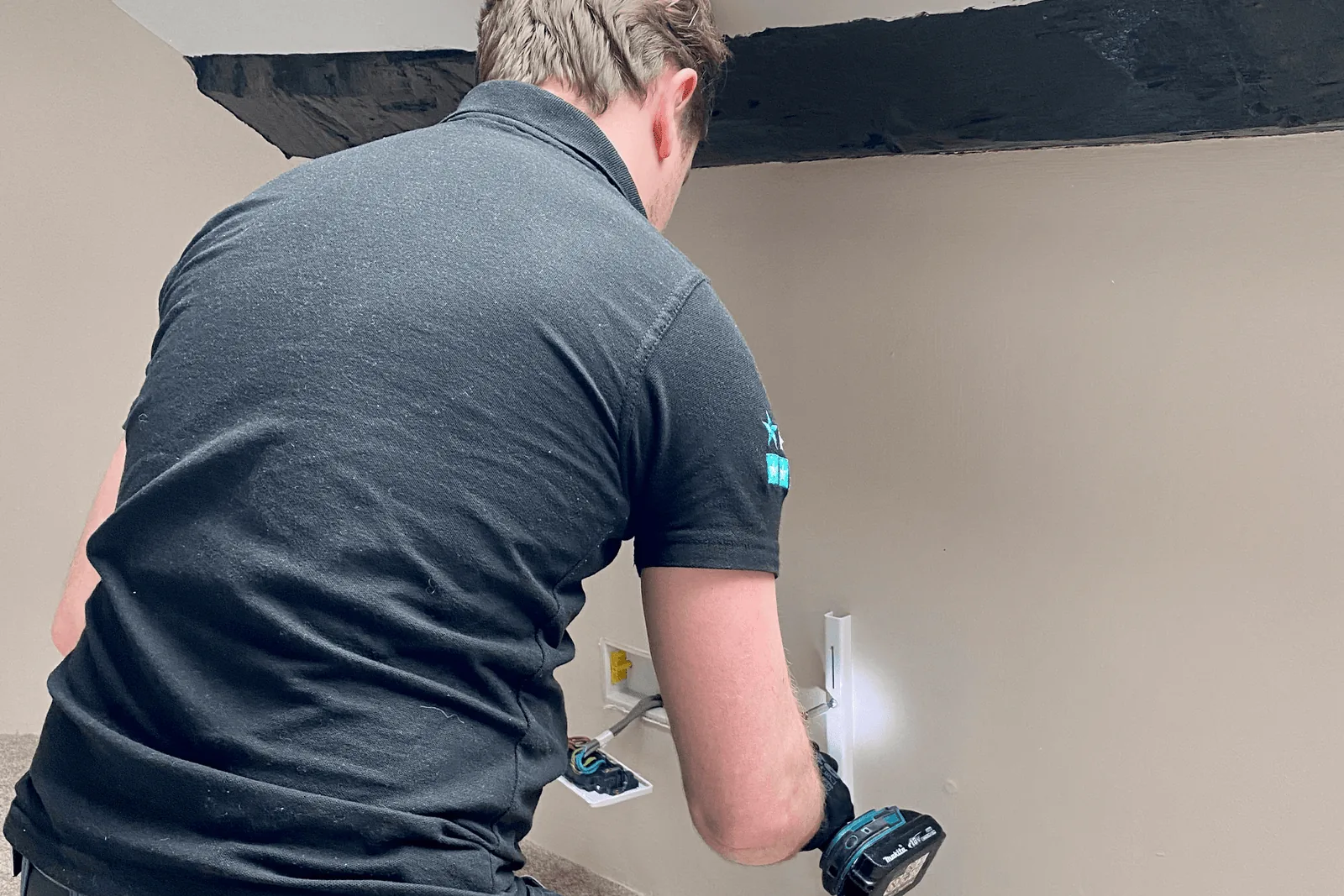
Every photograph here is our own work, installed by our own team.
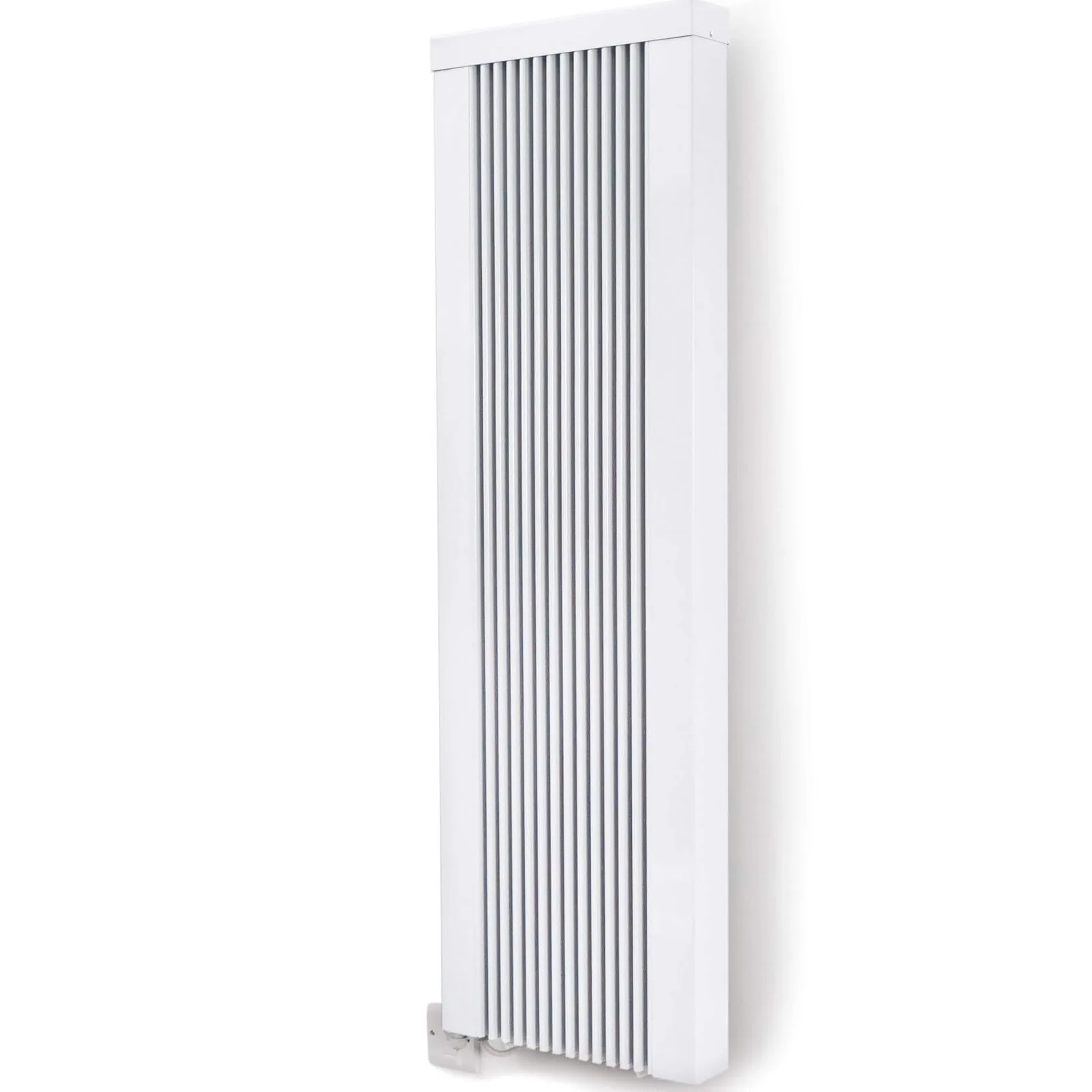
White electric radiator with a ribbed front on a grey wall
Slimline electric radiator, living room
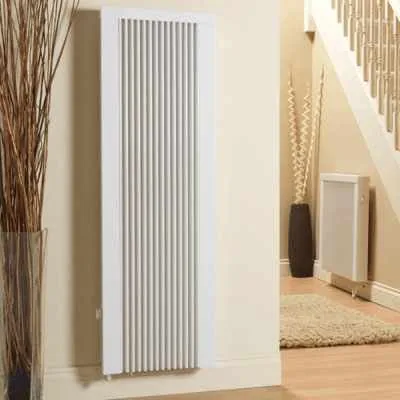
Tall vertical electric radiator in a hallway beside the stairs
Vertical radiator beside the stairs
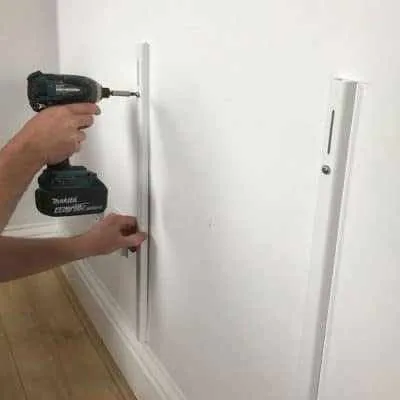
Installer drilling a wall bracket during a radiator fitting
Fitting the wall brackets

Why the engineering matters

The difference between a cheap electric heater and a well-made one is rarely visible on a spec sheet. It shows in how accurately the thermostat holds temperature, how evenly the body releases heat, and whether the unit still works properly in ten years. Those are the things that determine whether a system is comfortable to live with.

Half convection, half radiant heat

Each radiator delivers a 50:50 split between naturally convected and radiant heat. Convection warms the air; radiant heat warms the room itself — the walls, the furniture, you. The blend avoids the cold patches and dry air of a convection-only heater and spreads warmth more evenly through the space.

A storage heater’s trick, without the wait

The Magmatic stones work like the bricks in a storage heater with the drawback removed: they store and release warmth, but on demand rather than on an overnight charge. The radiators heat when you need them, they do not run out by evening, and no off-peak tariff is needed to make the arithmetic work — which is why they replace storage heaters so well.

See the range for yourself

Supplied and installed across Bournemouth, Poole, Christchurch, Weymouth, Dorchester, Salisbury, Dorset, Hampshire, Wiltshire, Somerset, Devon — sized to each room at a free home survey, with a written recommendation and no obligation.

Request our free brochure The full range, posted to you free

Book your free home survey

Free survey, honest advice and a clear written quote. Call now or send us a message — we’ll get straight back to you.

Questions

Frequently asked questions

Are German electric radiators and German electric heaters the same thing?
No. A heater draws in air, warms it and blows it out — quick, but prone to cold patches and dry air. A radiator turns its energy into heat spread evenly across its surface, and the Magmatic stones hold that heat so the room keeps warming after the element stops.
Which formats do the German radiators come in?
Vertical, wall-mounted and low-level conservatory models, across three size ranges — with smart WiFi control across the range and a choice of colours to suit the room.
Do you supply German storage heaters?
No — we do not offer storage heaters at all. What we do instead is remove old storage heaters and replace them with these radiators, which store heat in their stones without needing an overnight charge.
What can I replace my night storage heaters with?
Usually either modern electric radiators controlled room by room, or high heat retention storage heaters where your tariff still rewards off-peak charging. Which suits you depends on the tariff, the building and how you use the house — that is what the free survey establishes.
Which electric radiator is the most efficient?
Honestly, they are all essentially 100% efficient at the point of use — every unit of electricity becomes heat in the room. What varies between systems is control: whether you can heat only the rooms you are using, only when you are using them. That is where the saving comes from, not from any particular radiator.
Can I replace my gas boiler with electric heating?
Yes. We replace gas boilers and their radiator circuits with electric heating and hot water, which removes the flue, the gas connection and the annual gas safety inspection. Electricity costs more per unit than gas, so at survey we will be straight with you about running costs and about whether solar or battery storage changes the picture.
Do you remove and dispose of the old system?
Yes. Removal and disposal of old storage heaters, convector heaters, boilers and cylinders is part of the job, and we make good afterwards.
What areas do you cover?
We are based in Bournemouth and work across Dorset, Hampshire, Wiltshire, Somerset and Devon, and into West Sussex, Surrey, London, Kent, East Sussex and Oxfordshire.
Are you certified?
Yes. Dynamic Heaters is MCS certified, NAPIT approved, RECC registered and an approved Sunamp installer.
Do you charge for a survey?
No. The home survey and the written recommendation that follows it are free and carry no obligation.
Do you work on social housing and commercial projects?
Yes. Alongside private homes we have completed social housing heating and hot water upgrades, including a New Forest District Council project covering sixteen properties, and community buildings such as a village hall in Lytchett Matravers.

Still deciding? The survey is free, and so is walking away afterwards.